What It Is
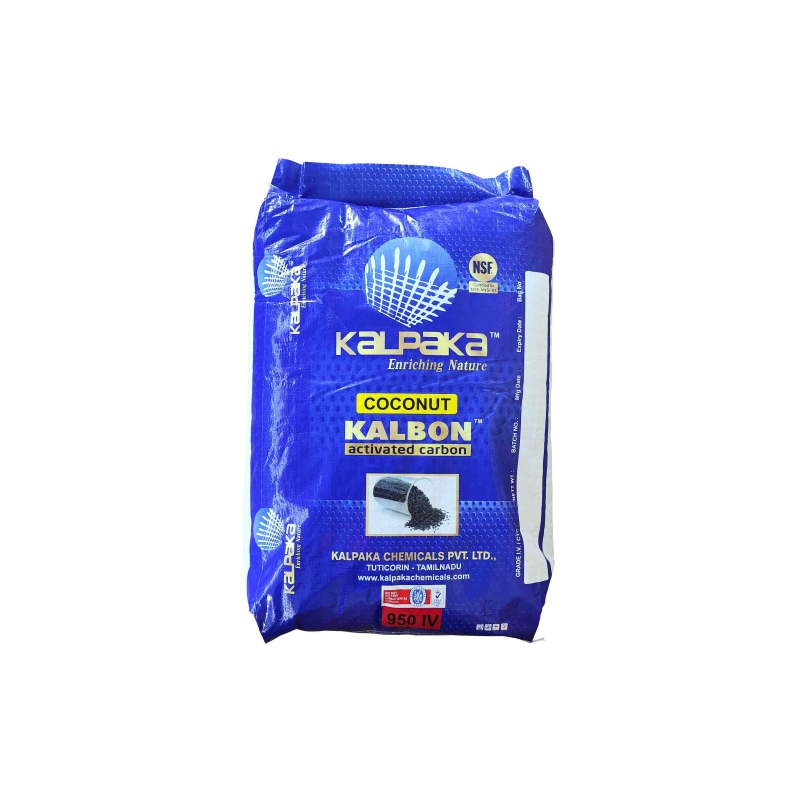
Eaupure Chemicals Coconut Shell Premium Granular Activated Carbon
25kg Activated Carbon
are examples of coconut shell-based activated carbon products you might encounter. Activated carbon 950 IV refers specifically to a grade of activated carbon with an iodine adsorption value of ~950 mg/g — a key indicator of adsorption capacity and micro-pore development. Higher iodine values generally mean better adsorption of dissolved organic contaminants.
Activated carbon itself is a highly porous carbon material made by carbonizing raw material (here, coconut shell) and activating it under controlled high-temperature steam or chemical treatment. This creates a complex network of pores and a very large internal surface area (often >900 m²/g) that adsorbs molecules from liquids and gases.
Key Specifications (Typical for 950 IV Coconut Shell Activated Carbon)
| Property |
Typical Range / Value |
| Iodine Number (IV) |
~950 mg/g (measures micropore adsorption capacity) |
| Surface Area (BET) |
~900–1100 m²/g |
| Bulk Density |
~0.45–0.55 g/cm³ |
| Hardness / Abrasion Resistance |
~97–99% (high mechanical strength) |
| Ash Content |
≤ 3–5% (low residue) |
| Moisture Content |
≤ 5% |
| pH (aqueous extract) |
~8–11 (slightly alkaline) |
| Particle Sizes / Mesh |
4×8, 8×16, 8×30, 12×40, etc. (varies by application) |
How It Works
Activated carbon adsorbs contaminants physically (via van der Waals forces) into its porous structure. Because coconut shell carbon has a high proportion of micropores, it excels at capturing small, low-molecular-weight impurities such as chlorine, organic compounds, taste and odour-causing molecules, and some VOCs (volatile organic compounds).
Why Coconut Shell Carbon Is Preferred
High Adsorption Efficiency
The coconut shell base yields a natural carbon with an excellent microporous structure and high surface area — ideal for water purification and gas cleaning.
Mechanical Strength & Durability
Coconut shell carbon typically has high hardness and abrasion resistance, meaning less dust generation and longer life in fixed bed filters.
Low Ash Content
Low ash means fewer residuals that could leach into treated water — especially important in drinking water or food-grade applications.
Sustainability
Coconut shells are a renewable, agricultural byproduct, making this carbon more environmentally friendly compared with coal-based carbons.
Typical Applications
Activated Carbon 950 IV coconut shell grade is widely used for:
Water & Wastewater Treatment
-
Removes residual chlorine, odors, color, dissolved organics, and other taste- and odor-causing compounds from potable and industrial waters.
Air & Gas Purification
Food & Beverage Processing
-
Used in decolorization and purification of sugars, alcohols, edible oils, etc., due to low ash and high purity.
Precious Metal Recovery
Operational Notes
✔ Pre-washing: Usually pre-backwashed (especially for water filters) to remove fines before service.
✔ Mesh Selection: Mesh size should match flow rate and adsorption needs — coarser for higher flow, finer for higher removal efficiency.
✔ Replacement: Over time carbon saturates and must be replaced or reactivated to maintain performance.
Forms Available
Safety & Handling
Activated carbon should be stored dry, and dust precautions taken during handling (mask, gloves) since fine carbon can irritate skin/respiratory system.



Reviews
There are no reviews yet.